Work with Triple 8 Mines

You held on to the ground. We’d like to hear its story.

You know that ground better than anyone. Triple 8 Mines can buy claims, option them, take them with a royalty kept for you, or partner on them, but the first step is a conversation, not a contract. Nothing you tell us commits you, either side can stop at any point, and keeping your claims is a fine answer. Call John Shebanow, Vice President of Acquisitions, at 480.253.9748, or send the basics below.

Call John · 480.253.9748
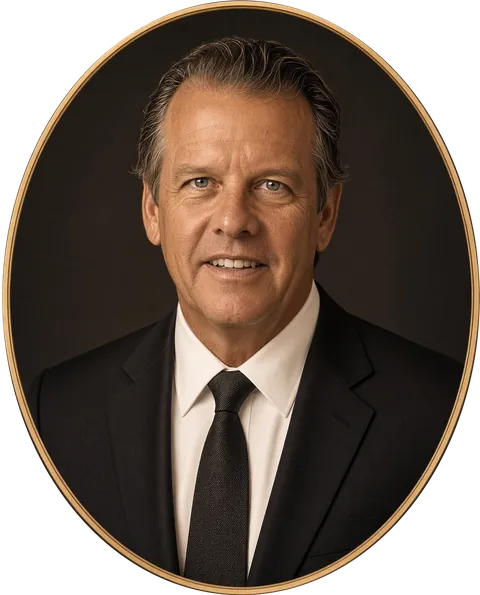
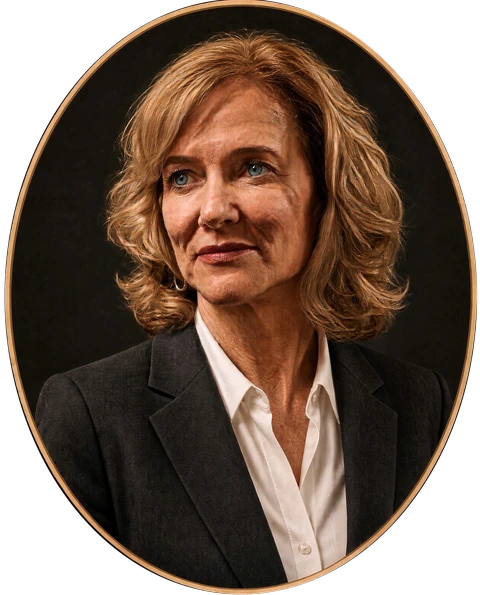
Portrait photo of John Shebanow

Before anything else

Your claims have a story. We want to hear it first.

Maybe you staked them. Maybe a parent or grandparent did. Maybe you have worked them for years with a sluice and a shovel and kept every filing current. What you know about the ground, where the old workings are and what was found, is part of any honest review, and we would want to learn it from you.

If someone always said there was something there, no one can say yes or no until the work is done. Paying for that work is Triple 8’s business.

You talk with John Shebanow, Vice President of Acquisitions. Nothing you tell him commits you, and either of you can stop at any point. Bring anyone you like to the call, your family, a partner or your attorney, and he will speak with them directly.

Start here

Where are you coming from?

I inherited claims

You may not know where they are, whether the fees were paid, or what they are worth. Start with the basics: find the claims, check the September 1 deadline, and become the claimant of record before deciding anything.

Inherited claims: what now?

I’ve held and worked my claims for years

You know this ground better than anyone, and we would want to learn it from you first. What is usually missing is the capital and the technical report that lets anyone else value it. A royalty or a partnership can keep you in the result.

Ways to work together

We’re a family, an estate or a company

Brothers and sisters, cousins, an estate or a company. You can start the conversation on your own, even before an estate is settled. Every owner of record signs any agreement, so no one is left out.

A family decision

The cost of holding

What it takes to keep a claim, every year

Paying every September is a real commitment, whether or not anyone works the ground that year.

Annual BLM fee
$200 per lode claim, and $200 per 20 acres of a placer claim, for the assessment year that began September 1, 2026. Ten claims is $2,000 a year before any work is done.
County filings
Most western states also require a yearly filing with the county recorder, with its own deadline and fee.
Forfeiture
A claim without a timely fee payment or waiver is forfeited under federal law, and the ground may become open to anyone.
Proving it
Showing what is in the ground takes sampling, title work, permits and a report signed by a qualified, licensed geologist. Few owners can pay for all of that alone. Paying for it is Triple 8’s business.

Source: BLM mining claim fees for the 2027 assessment year. Fees are adjusted from time to time. A small miner waiver is available only to holders of 10 or fewer claims, and only with at least $100 of assessment work on each claim each year, recorded on time.

Choosing a path

Start with what you want from the claims

To be done with the fees and the paperwork
Consider a sale. You are paid at closing, and holding costs pass to Triple 8 once the transfer is recorded.
To know what is there before you decide
Consider an option. Triple 8 pays for the right to explore and to buy later. You keep the option payments, and the claims if it does not buy.
A stake in what the ground becomes, without the costs
Consider assigning the claims and keeping a royalty. Triple 8 carries the costs of holding and exploring them. Any upfront payment is agreed in writing, and there may be none.
To stay involved in the work
Consider a partnership. You contribute the claims, Triple 8 funds and manages the agreed work, and you keep an interest in the results.
Not ready to decide anything
Start with a conversation. Keeping your claims is a fine answer.

Every structure is subject to title review and a written agreement. Royalties and partnership interests pay only if the claims are developed and produce.

Ask us the same questions you would ask anyone

If someone promises a large check in weeks, without drilling or a technical report, ask what the number is based on and what you are signing away while you wait. Ask us the same questions. If another offer is real and better, take it. We will tell you so. Eight questions to ask any buyer

Who we are

A young company that puts everything in writing

Before you share anything, you should know how the company is organized and how it treats claims once it holds them. Triple 8 acquires claims to work them: to advance them and, where the results support it, take them toward production.

Current portfolio

Owned
4 placer claims at Glendale, Nevada (AMI 05–08); the BLM transfer filing is in progress
Being staked
Up to 86 lode claims in Mariposa County, California, to be held by a wholly owned subsidiary once of record
Economic interest
In any gold produced from 49 placer claims at Glendale, including the 4 the company owns
Figures as of

Figures count mining claims only. They are not estimates of mineralization or value. At AMI, the company holds an economic interest in any gold produced from 49 placer claims and owns four of them (AMI 05–08); the BLM transfer filing is in progress. At Buckingham, the company expects to own the lode claims being staked (up to 86) through its wholly owned subsidiary 999 Mines, LLC, once they are of record.

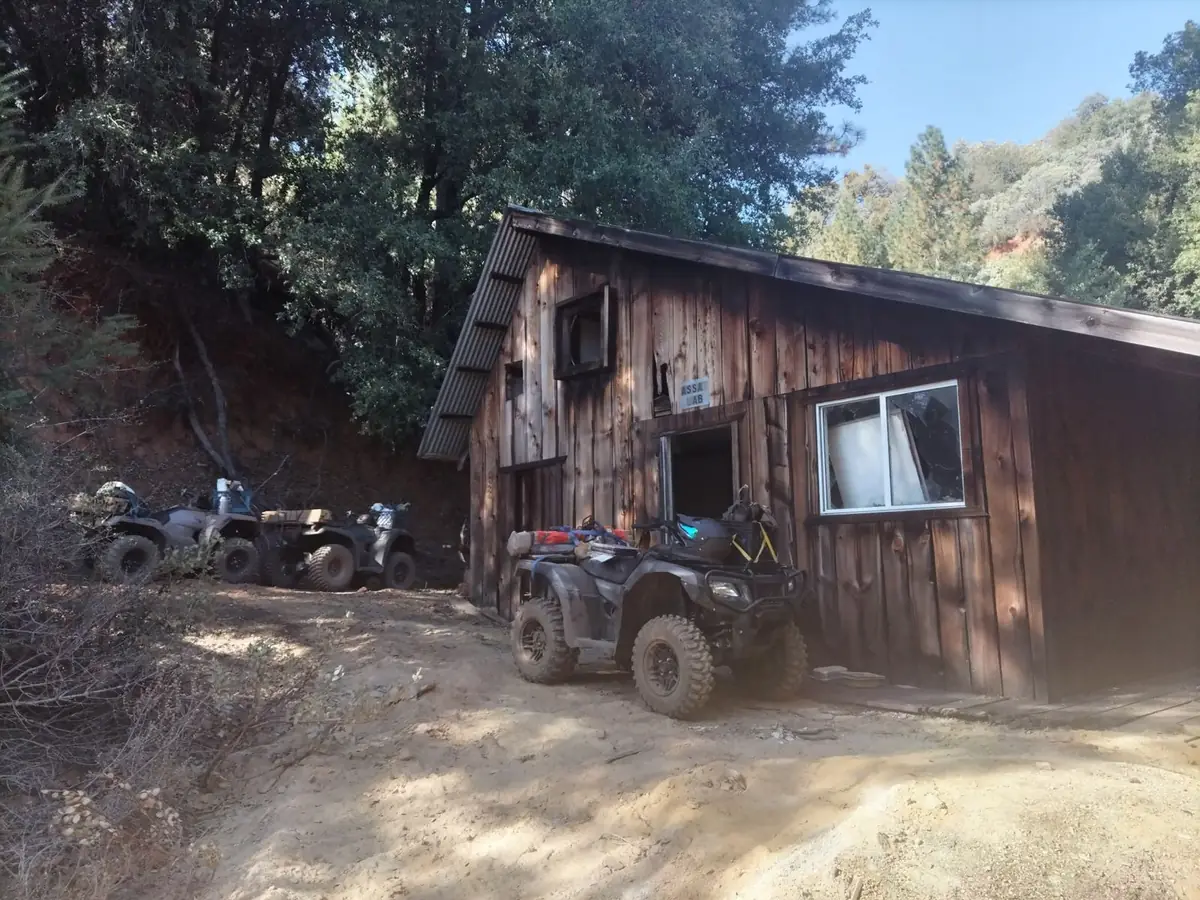
Field crew all-terrain vehicles parked beside a weathered wooden building marked Assay Lab, in steep, wooded terrain on the Buckingham claims in Mariposa County, California
On the ground: our field crew at the Buckingham claims, Mariposa County, California. A former assay lab building reflects earlier mining in the area.
See the portfolio
The company
Triple 8 Mines, Inc. is a young, privately held Wyoming corporation, formed in June 2026. It keeps its records to the standard a public company needs: audited accounts, written agreements and records that others can review. A public listing is possible but not assured.
Related party
The Nevada claims came to Triple 8 from Aurum Capital, a company controlled by John Shebanow. The arrangement is disclosed.
Technical standard
Technical work is planned under Regulation S-K subpart 1300, the SEC’s mining disclosure rules. Any resource or reserve estimate would come only from a technical report summary signed by a qualified person. On the AMI claims, Anything Media, Inc. (“AMI”) has engaged Arowe for a phased program toward an S-K 1300 technical report. Anything Media has funded Stage 1 of 5, which is underway under an independent Qualified Person.
Good standing
On claims it holds, the company intends to pay the annual BLM maintenance fees and make the required county and BLM filings on time. On unpatented claims, a missed fee or waiver filing results in forfeiture of the claim under federal law.
Field work
Work on the ground is planned only under the notices, plans and permits that the land manager and the state require, with reclamation and any required financial guarantee.
Confidentiality
What you send is used only to evaluate your claims. If you prefer, the company will sign a mutual non-disclosure agreement before you share detailed data. Details are in the privacy notice.
Agreements
Every transaction is subject to due diligence and is set out in a definitive written agreement reviewed by the company’s counsel. No terms are binding until that agreement is signed.
Where we are
The company does not yet maintain a staffed office. Its Wyoming registered agent receives legal notices. Owners reach the team through the confidential form on this page or through investor relations.
Who you deal with
Claim-owner inquiries are handled by John Shebanow, Vice President of Acquisitions, who is responsible for identifying, evaluating and securing mineral properties. You can call him directly at 480.253.9748. The full team is on the Team page.

Go at your own pace

Four steps, and you choose when to take each one

  1. Read the guides

    What a buyer looks at, how to keep claims in good standing, and how a sale, option, royalty or joint venture compare.

    Five minutes · nothing to fill in

    Guides for claim owners
  2. Send the basics

    State, claim type, number of claims and what you are open to. That is enough for a first look.

    About two minutes · confidential

    Start a confidential review
  3. Share your records

    Serial numbers, location notices and anything that shows what is on the ground, when you are ready. A non-disclosure agreement is available.

    When you are ready

    What to gather
  4. Talk it through

    A call with John Shebanow, Vice President of Acquisitions, about what you hold and what you want from it.

    No obligation on either side

    Ask for a call

What we look for

The claims we review

The company considers claims of most types in any U.S. state. Each one is reviewed on its own facts.

Claim types

Lode, placer and mill sites

Unpatented lode and placer claims and mill sites on federal land managed by the BLM or the Forest Service. Patented claims and other privately held mineral rights are also considered.

Location

Any U.S. state

There is no fixed list of states or districts. Year-round or seasonal access to the ground, and the land status around it, are part of every review.

Records

Status and title

We look at the current maintenance status of the claims and at a clear chain of title from location to today. Gaps in the records are common, and some can be resolved during the review.

Case by case

Claims with a lapsed history, little or no sampling data, or incomplete paperwork are still worth sending. We review each submission on its own facts and will tell you what we would need to take it further.

Ways to work together

Structures we can discuss

The right structure depends on what you want from your claims and what the review shows. These are the common forms. We do not quote terms before a review.

01

Outright purchase

Triple 8 would buy the claims for consideration agreed in writing and paid at closing. The transfer is recorded with the county and filed with the BLM.

You keep
The consideration paid at closing. Responsibility for the claims passes to Triple 8 as the agreement sets out, once the transfer is recorded and filed.
Triple 8 does
Title review and recording, then maintenance and work from closing onward, as the agreement sets out.

02

Option to purchase

Triple 8 would pay for an exclusive right to explore the claims and to buy them within a set period, usually with staged payments.

You keep
Ownership during the option period and the option payments received. If the option is not exercised, the claims stay with you. Ask what data from the work comes back to you.
Triple 8 does
The agreed work program, with maintenance responsibilities and data sharing set in the agreement.

03

Assignment with retained royalty

You assign the claims to Triple 8 and keep a royalty on any future production from them.

You keep
A royalty interest, with any upfront consideration agreed in writing; there may be none. A royalty pays only if there is production, which may never happen.
Triple 8 does
The costs of holding and exploring the claims, and of any later development, as the agreement sets out.

04

Joint venture

You contribute the claims and Triple 8 contributes technical work and funding. Each party holds an interest in the venture.

You keep
An ongoing interest in the claims and a say in decisions, as set in the joint venture agreement.
Triple 8 does
Would manage and fund the agreed work and report results to you, as the agreement sets out.

05

Other structures

A mining lease, the sale of part of your interest, or a combination of the forms above. We are open to structures that suit your situation.

You keep
Whatever the agreement sets out for you.
Triple 8 does
May propose a structure in writing after the review, for you and your advisers to consider.

Applies to every structure

Consideration may be cash, a royalty or other forms. If any consideration involved company securities, it would be offered only under an applicable exemption from registration and with appropriate disclosure.

Every transaction is subject to due diligence and a definitive written agreement. Nothing on this page is an offer to buy any claim or a commitment to any price, term or timing.

Your own advice

Selling, optioning or venturing mining claims has legal and tax consequences that depend on your circumstances. We encourage every owner to consult their own attorney and tax advisor before signing anything. Triple 8 cannot advise you on your side of a transaction.

The long run

After you sign, it is in writing

For an owner, what happens after signing matters as much as the price. Ask about it up front, from us and from anyone else.

Once Triple 8 holds claims, it intends to pay the BLM fees and make the county and BLM filings on time. If it later chose to drop claims on which you keep a royalty or other interest, the agreement would set out what happens, for example notice to you first.

Ask any buyer, and get it in writing

  • If you drop the claims or stop work, what happens to them, and to me?
  • If you go out of business, where do the claims go?
  • How is my royalty figured, and how will I see the numbers?
  • If an option ends, what data from your work comes back to me?

If the answer is not in the agreement, ask why. Have your own attorney read it before you sign.

A family decision

You don’t have to decide alone

Many claims belong to several people: brothers and sisters, cousins, an estate. They don’t always want the same thing, and that is normal.

You can start the conversation on your own, even before an estate is settled. Bring anyone you like to the call, including your attorney. When owners want different things, a partial sale or a combination of structures can sometimes fit.

Every owner of record, or someone with legal authority to act for them, signs any agreement. No one is left out.

Inherited claims?

Start with the basics: find the claims, check the September 1 deadline and become the claimant of record. You can talk with us before you have done all of it. Inherited claims: what now?

The process

Go at your own pace. Stop at any step.

Five steps, from first call to recorded transfer. Either side can stop at any step before a definitive agreement is signed.

  1. Initial conversation

    You tell us about the claims and what you are looking for. If you want one, we sign a mutual non-disclosure agreement before you share detailed data.

  2. Claim and title review

    We check the claims of record with the BLM and the county, the maintenance history and the chain of title.

  3. Walk the ground together

    We would want you there: you know where the old workings are. We also review any maps, sampling or production records you have.

  4. Proposal

    If we want to proceed, we send a written proposal with a suggested structure. You take the time you need and consult your advisers.

  5. Agreement and recording

    A definitive agreement is signed by every owner of record. The transfer is recorded with the county and filed with the BLM State Office.

On timing

Timing depends mostly on the records. Claims with clean filings and a short chain of title move faster than claims with gaps, multiple owners or an estate to settle. Field visits depend on season and access. Where the records are in order, a proposal can often follow within a few weeks of the first call.

On recording

State law governs how a transfer of mining claims takes effect. The deed is recorded first with the county recorder. For unpatented claims, a copy of the recorded deed is then filed with the BLM State Office, with a processing fee. Each transferee pays the BLM processing fee for each claim. Until the transfer is filed, the BLM sends its notices to the claimant of record in its files.

What to gather

A shoebox of papers is fine

A state, a claim type, a rough claim count and what you are open to is enough to start. Send the rest when you are ready. If something is missing, we can often find it in public records during the review.

Records for unpatented claims are kept in the BLM’s Mineral & Land Records System (MLRS) at mlrs.blm.gov, which also publishes mining claim reports.

  • BLM serial numbersThe serial or case numbers for each claim, as shown in MLRS.
  • Location notices and county recordingCopies of the location notices and the county book, page or document numbers.
  • Maintenance fee or waiver receiptsBLM receipts for recent assessment years, or small miner waiver filings and affidavits of assessment work.
  • Maps and GPSClaim maps, corner coordinates or a GPS track of the boundaries.
  • Your working historyWhere you have worked, what you have found, and any assays, reports or production records you or earlier owners kept. Your field knowledge matters to us.
  • PhotosThe ground, workings, access roads and monuments.
  • Other owners or partnersAnyone else who holds an interest, including family members and estates.
  • EncumbrancesAny liens, existing royalties, leases, options or disputes affecting the claims.

Questions owners ask

Frequently asked questions

What if I sell and the claims turn out rich?That is what a retained royalty is for.

If you want a share in what the ground may become, you can assign the claims and keep a royalty on any future production, alone or alongside an upfront payment. An option is another way to let the work be done before you decide to sell.

A royalty pays only if the claims are developed and produce, which may never happen. Nobody, including us, can say what is in the ground until the work is done.

Will you talk with my attorney or my family?Yes. Bring them to any call.

We encourage it. Bring your attorney, a family member or anyone you trust to any conversation, and we will send everyone the same material. Every agreement is set out in full for your own attorney to read before you sign.

Will you keep my claims in good standing?For claims the company holds, that is its intention. Before then, the agreement decides.

Once a transfer to Triple 8 is complete, the company intends to pay the annual maintenance fees and make the county and BLM filings needed to keep the claims it holds in good standing. If the company later chose to drop claims on which you keep a royalty or other interest, the agreement would set out what happens, for example notice to you first.

While you still own the claims, during review or an option period, they remain your responsibility unless the written agreement says otherwise. Please do not let a fee lapse because a discussion with us is underway.

Who pays the BLM fees?The owner of record, unless the agreement assigns them.

For unpatented claims the annual BLM maintenance fee is due on or before September 1. Owners of 10 or fewer claims nationwide, counting related parties, may qualify for a small miner waiver instead, filed with the BLM by the same date.

After a purchase or assignment, the fees would become the company’s responsibility as claimant of record, as the agreement sets out. During an option or a joint venture, the agreement states who pays. This is negotiated for each project.

Can I keep a royalty?Yes, a retained royalty is one of the structures we discuss.

A royalty can stand alone or sit alongside an upfront payment. The rate, the basis on which it is calculated and any buy-back right are set in the agreement.

A royalty pays only if the claims are developed and produce. Many claims never reach production, so a royalty should be weighed with that in mind.

What if my claims lapsed?Send the details anyway. We review case by case.

When an unpatented claim’s maintenance fee is not paid, the claim is forfeited by law and the ground may become open to location again. A lapsed claim usually cannot be sold as it stood.

Your knowledge of the ground, your records and any data you hold can still be useful. Tell us what happened and we will say plainly whether there is anything to discuss. We would consider paying for useful data or a finder’s role.

Is my information confidential?It is used only to evaluate your claims.

The company intends to use what you send only to evaluate your claims and not to share it outside the company and its professional advisers. If you prefer, we sign a mutual non-disclosure agreement before you share detailed data.

Some information, such as BLM serial numbers and county recordings, is already public. Submissions that do not lead to an agreement are kept for three years after our last contact, as set out in the privacy notice.

Do you buy patented claims or private mineral rights?Yes, we consider them.

Patented claims and other privately held mineral rights are reviewed in the same way as unpatented claims. The title review is different because these are recorded as real property with the county, and there are no BLM maintenance fees. Property taxes and any split between surface and mineral ownership become part of the review.

What if I co-own the claims with family?That is common. Every owner of record needs to take part in an agreement.

Many claims are held by several family members or by an estate. You can start the conversation on your own. Before any agreement is signed, every owner of record, or a person with legal authority to act for them, needs to agree and sign.

If an owner has died, the estate may need to be settled or the interest transferred first. Your attorney can advise on what that requires in your state.

Confidential claim submission

Submit your claims for review

Three short steps. Start with the basics; details can follow later. Approximate answers are fine, and nothing you send creates an obligation. Rather talk? Call John Shebanow at 480.253.9748.

Step 1 of 3 ·

The claims · about a minute

If you hold more than one type, choose the main one and describe the rest below.

The next step is a phone call. It commits you to nothing.

John Shebanow, 480.253.9748. If you miss him, leave your name, your county and how many claims you hold. Share this page with your family: anyone can call, and every owner of record signs.